

How to Protect Your Skin at Elm Creek Park Reserve This Summer
Elm Creek Park Reserve in Maple Grove is one of the largest parks in the Three Rivers Park District, spanning more than 4,900 acres of trails, swimming beaches, picnic areas, and nature preserves. For families and outdoor enthusiasts in the northwest metro, it is a summer destination that offers everything from mountain biking and horseback riding to disc golf and the popular Eastman Nature Center.
But all those hours spent enjoying the trails and splash pads at Elm Creek also mean significant sun exposure—and that cumulative exposure adds up over time. As dermatologists at Clarus Dermatology’s Maple Grove office, we see patients every summer who are surprised by how much sun damage they have accumulated despite thinking they were being careful.
Here is what you should know about protecting your skin while making the most of everything Elm Creek Park Reserve has to offer.
Why Sun Protection Matters More Than You Think
Ultraviolet (UV) radiation from the sun is the leading cause of skin cancer in the United States, and it is also responsible for the vast majority of visible skin aging—including wrinkles, sunspots, and loss of skin elasticity. According to the Skin Cancer Foundation, just five or more sunburns in your lifetime doubles your risk of developing melanoma, the most dangerous form of skin cancer.
Minnesota summers bring long daylight hours with UV index levels that can reach 8 to 10 on clear days—well into the “very high” range. Even on overcast days, up to 80 percent of UV radiation penetrates through clouds. Whether you are swimming at the Elm Creek beach, hiking the 13-mile paved trail loop, or watching your kids play at the nature-themed playground, your skin is absorbing UV radiation.
Essential Sun Protection Strategies
Effective sun protection requires a layered approach. No single method is sufficient on its own, but combining these strategies significantly reduces your risk of sun damage and skin cancer.
Apply Sunscreen Correctly
Use a broad-spectrum sunscreen with SPF 30 or higher. Apply it generously—most adults need about one ounce (a shot glass full) to cover exposed skin. Apply 15 to 30 minutes before heading outdoors, and reapply every two hours or immediately after swimming, sweating, or toweling off. Pay attention to commonly missed areas like the ears, back of the neck, tops of the feet, and the part line of your scalp.
Seek Shade During Peak Hours
UV radiation is strongest between 10 a.m. and 4 p.m. When spending a full day at Elm Creek, plan shade breaks during these hours. The park’s picnic shelters, wooded trail sections, and the Eastman Nature Center building all provide good opportunities to get out of direct sunlight. Bring a pop-up canopy or umbrella for the beach areas where natural shade is limited.
Wear Protective Clothing
UPF-rated clothing provides reliable, consistent protection that does not wash off or need reapplication. A wide-brimmed hat (at least 3 inches all around) protects your face, ears, and neck. UV-blocking sunglasses protect the delicate skin around your eyes and reduce the risk of cataracts. Lightweight, long-sleeved rash guards are ideal for water activities at the beach.
Protect Children and Teens
Children’s skin is more sensitive to UV radiation, and childhood sunburns significantly increase the lifetime risk of skin cancer. Keep infants under six months out of direct sunlight entirely. For older children, combine sunscreen with protective clothing and hats. Make sun protection a routine part of getting ready for the park—just like packing water bottles and snacks.
Know the Warning Signs of Skin Damage
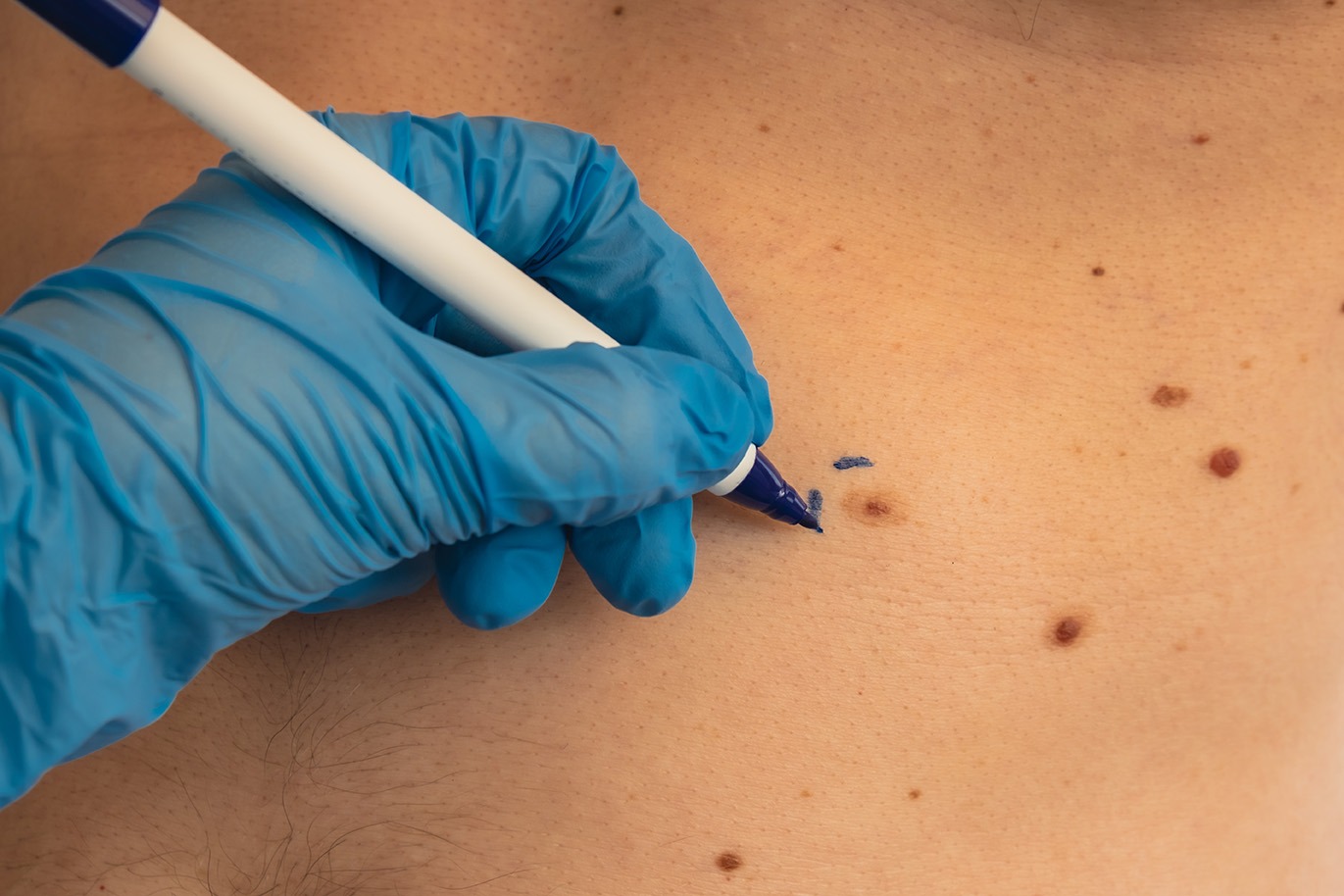
Even with the best prevention efforts, it is important to know what to watch for on your skin. Schedule a professional skin examination if you notice any of the following:
- A mole that has changed in size, shape, or color
- A new growth or spot that looks different from your other moles
- A sore that does not heal within three weeks
- A spot that itches, bleeds, or crusts repeatedly
- Any asymmetric, irregularly bordered, or multi-colored lesion
The ABCDE rule can help you remember what to look for: Asymmetry, Border irregularity, Color variation, Diameter larger than a pencil eraser, and Evolving in size or appearance.
The Importance of Annual Skin Checks
Even if you do not notice anything concerning, annual full-body skin examinations with a board-certified dermatologist are an important part of skin cancer prevention. Your dermatologist can identify suspicious lesions that may not be visible to the untrained eye and can recommend appropriate follow-up, including biopsy or referral for surgical dermatology if needed.
Early detection is critical. When skin cancer is caught early, the five-year survival rate for melanoma is 99 percent. Regular skin checks are one of the most effective tools we have for catching skin cancer at its most treatable stage.
Enjoy the Summer Safely
Elm Creek Park Reserve is one of the best outdoor spaces in the Maple Grove area, and there is no reason you cannot enjoy every trail, beach, and playground it has to offer. The key is making sun protection a habit rather than an afterthought.
If you are due for a skin check or have noticed any changes in your skin, the team at Clarus Dermatology in Maple Grove is here to help. Call (612) 213-2370 to schedule your appointment.
Disclaimer: This article is for informational purposes only and does not constitute medical advice. Please consult a board-certified dermatologist for personalized skin health recommendations.