
Acne Treatment Options Near Otsego: What a Dermatologist Recommends
Acne is the most common skin condition in the United States, affecting approximately 50 million Americans annually. While it is often associated with teenagers, acne can persist well into adulthood or even appear for the first time in your 20s, 30s, or 40s. If you live in Otsego or the surrounding communities in Wright County, finding effective acne treatment close to home can make a real difference in your skin health and confidence.
At Clarus Dermatology’s Otsego office, our board-certified dermatologists provide comprehensive acne evaluation and treatment for patients of all ages. Here is an overview of the treatment options available and guidance on when it is time to see a dermatologist.
Understanding What Causes Acne
Acne develops when hair follicles become clogged with oil (sebum) and dead skin cells. Several factors contribute to this process:
- Excess sebum production — hormonal changes, genetics, and certain medications can increase oil production
- Abnormal skin cell shedding — dead cells accumulate in the follicle instead of shedding normally
- Bacterial overgrowth — Cutibacterium acnes (C. acnes) bacteria thrive in clogged, oil-rich follicles
- Inflammation — the body’s immune response to bacterial overgrowth and follicle rupture
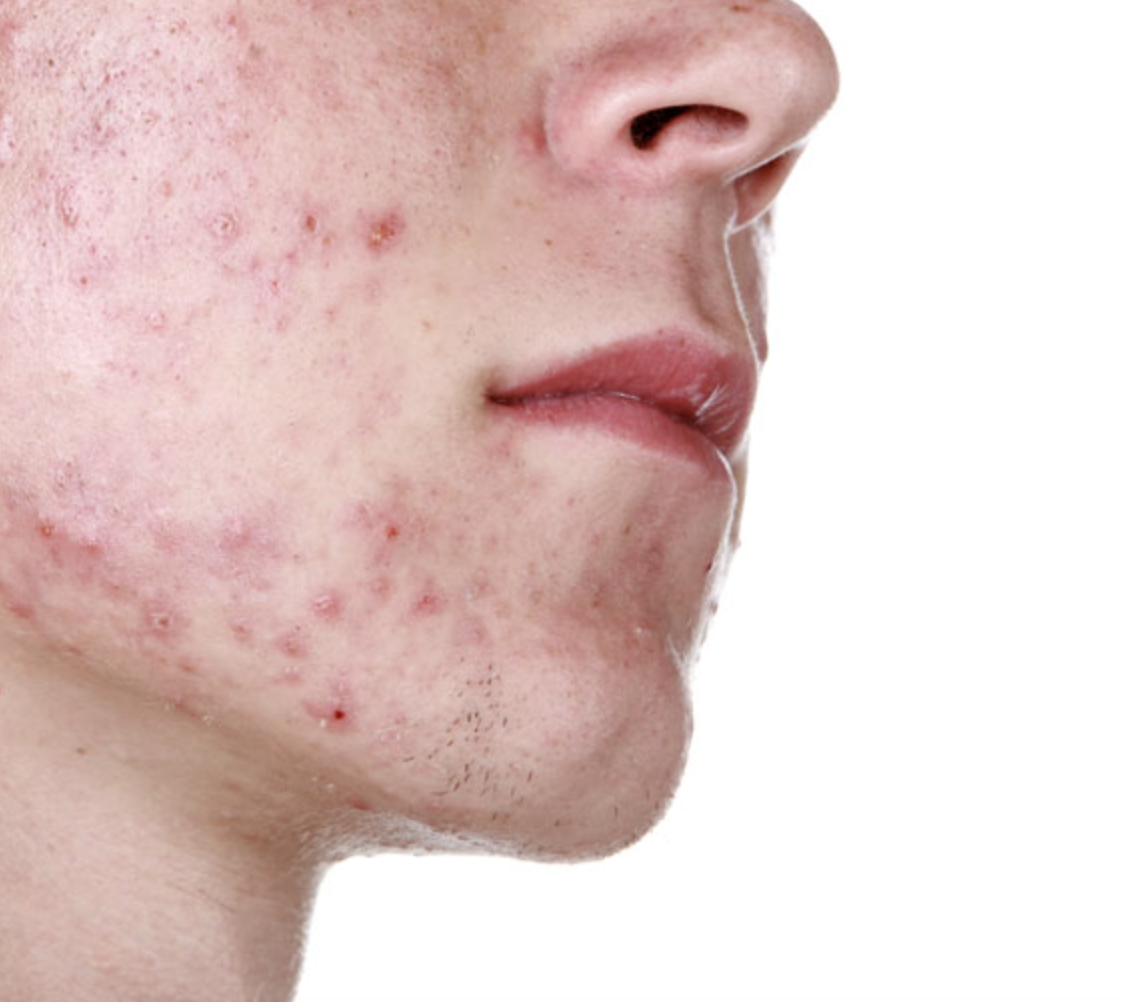
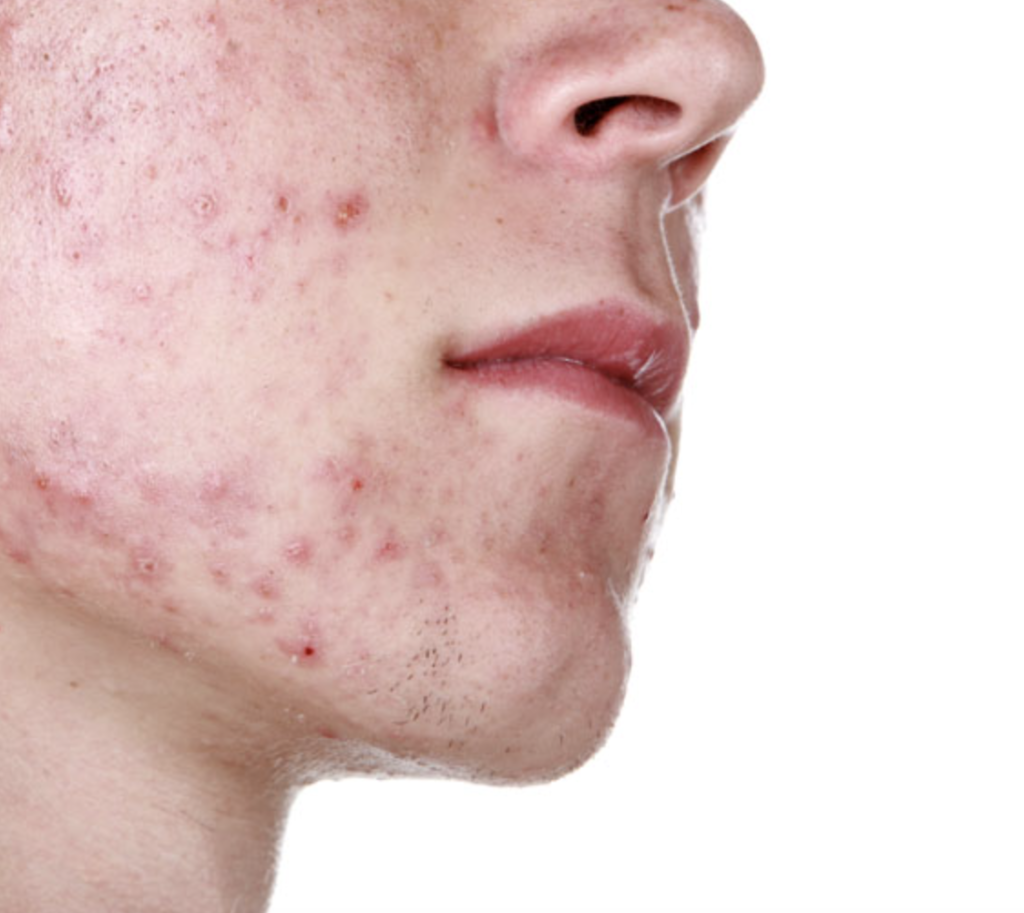
These factors combine in different ways to produce different types of acne, from mild comedonal acne (blackheads and whiteheads) to severe inflammatory and cystic acne.
Types of Acne
Understanding the type of acne you have helps guide treatment decisions:
- Comedonal acne: Blackheads (open comedones) and whiteheads (closed comedones) caused by clogged pores without significant inflammation
- Inflammatory acne: Red, tender papules and pustules that indicate an immune response to bacterial infection in the follicle
- Nodular acne: Deep, hard, painful lumps beneath the skin surface that can last for weeks
- Cystic acne: Large, pus-filled lesions deep within the skin that carry a high risk of scarring
- Hormonal acne: Typically appears along the jawline and chin in adult women and is driven by hormonal fluctuations
Over-the-Counter Treatment Options
For mild acne, over-the-counter products can be effective. Common active ingredients include:
- Benzoyl peroxide (2.5–10%) — kills acne-causing bacteria and helps unclog pores. Start with a lower concentration to minimize irritation.
- Salicylic acid (0.5–2%) — a beta hydroxy acid that penetrates into pores to dissolve oil and dead cell buildup
- Adapalene (0.1%) — a retinoid now available over the counter (Differin) that normalizes skin cell turnover and reduces inflammation
If over-the-counter products have not produced meaningful improvement after eight to twelve weeks of consistent use, it is time to consider prescription treatment from a dermatologist.
Prescription Treatment Options
A board-certified dermatologist can offer significantly more powerful and targeted treatments than what is available at the drugstore. Prescription acne treatments at Clarus Dermatology’s medical dermatology practice include:
- Topical retinoids (tretinoin, tazarotene) — prescription-strength retinoids that accelerate cell turnover, prevent clogged pores, and reduce inflammation
- Topical antibiotics (clindamycin, erythromycin) — typically used in combination with benzoyl peroxide to reduce bacterial populations and inflammation
- Combination topical therapies — products that combine retinoids, antibiotics, or benzoyl peroxide for multi-target treatment
- Oral antibiotics (doxycycline, minocycline) — used for moderate to severe inflammatory acne to reduce bacteria and inflammation systemically
- Hormonal therapies (spironolactone, oral contraceptives) — effective for hormonally driven acne in adult women
- Isotretinoin (Accutane) — a powerful oral retinoid reserved for severe, treatment-resistant, or scarring acne. Requires close monitoring but often produces long-term remission.
In-Office Acne Treatments
In addition to topical and oral medications, your dermatologist may recommend in-office procedures to accelerate healing and reduce scarring:
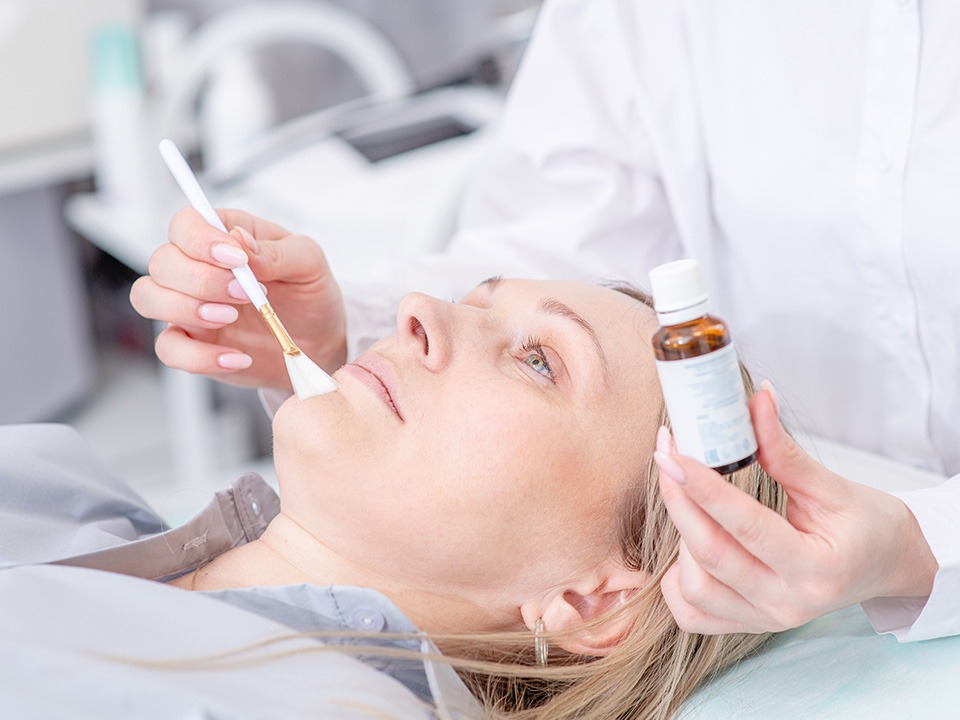
- Chemical peels — professional-strength exfoliation to clear clogged pores and improve skin texture
- Cortisone injections — targeted injections to rapidly reduce large, painful cystic lesions
- Acne extraction — manual removal of stubborn blackheads and whiteheads by a trained professional
- Light and laser therapies — targeted energy treatments to reduce bacteria and inflammation
When to See a Dermatologist for Acne
Consider scheduling an appointment with a dermatologist if:
- Over-the-counter treatments have not worked after 8 to 12 weeks
- You have deep, painful nodules or cysts
- Acne is leaving dark marks or scars
- Acne is affecting your self-esteem or mental health
- You are an adult experiencing acne for the first time
- You are unsure what type of acne you have or how to treat it
Expert Acne Care in Otsego
Clarus Dermatology’s Otsego office provides convenient access to board-certified dermatologists for patients in Otsego, Elk River, Rogers, Albertville, and the surrounding Wright County communities. Our team develops personalized treatment plans based on your specific acne type, severity, skin type, and goals.
Call (612) 213-2370 to schedule your acne consultation. Clear skin is achievable with the right treatment plan—and the earlier you start, the lower your risk of permanent scarring.
Disclaimer: Individual results may vary. Acne treatment outcomes depend on the type and severity of acne, adherence to the treatment plan, and individual skin response. A board-certified dermatologist can provide a personalized evaluation and treatment recommendation.