
Chemical Peels 101: Glycolic vs. Salicylic for Your Skin Type
Chemical peels are one of the most time-tested and effective treatments in dermatology. By applying a controlled chemical solution to the skin’s surface, peels remove damaged outer layers, stimulate cell turnover, and reveal smoother, healthier-looking skin beneath. But not all chemical peels are the same, and choosing the right one for your skin type makes a significant difference in results.
Two of the most commonly used peel agents are glycolic acid and salicylic acid. At Clarus Dermatology’s aesthetic dermatology practice, we help patients understand the differences between these two approaches so they can make confident, informed decisions about their skin care.
Understanding Alpha Hydroxy Acids: Glycolic Acid
Glycolic acid belongs to a family of compounds called alpha hydroxy acids (AHAs). Derived from sugarcane, glycolic acid has the smallest molecular size of any AHA, which allows it to penetrate the skin efficiently and deliver consistent results.
Glycolic acid works primarily on the skin’s surface and upper layers. It dissolves the bonds between dead skin cells, promoting exfoliation and encouraging the growth of new, healthier cells. With repeated treatments, glycolic acid peels can also stimulate collagen production in the deeper layers of the skin.
Glycolic acid peels are best suited for:
- Fine lines and early signs of aging
- Dull or uneven skin tone
- Mild to moderate sun damage and hyperpigmentation
- Dry or normal skin types seeking improved texture and radiance
- Patients looking for a general skin “refresh”
Glycolic peels are available in a range of concentrations, from mild formulations used in at-home products to professional-strength peels administered in a clinical setting. Higher concentrations produce more dramatic results but also require more careful application and post-peel care.
Understanding Beta Hydroxy Acids: Salicylic Acid
Salicylic acid is a beta hydroxy acid (BHA) derived from willow bark. Unlike glycolic acid, salicylic acid is oil-soluble, which means it can penetrate into pores and work beneath the skin’s surface. This unique property makes salicylic acid particularly effective for patients with oily or acne-prone skin.
Salicylic acid works by dissolving the oil and debris that clog pores, reducing inflammation, and calming the skin. It also has natural anti-inflammatory and antibacterial properties, which make it a powerful tool for managing breakouts and preventing future acne.
Salicylic acid peels are best suited for:
- Acne and acne-prone skin
- Oily or combination skin types
- Blackheads and whiteheads (comedonal acne)
- Enlarged or clogged pores
- Post-inflammatory hyperpigmentation from acne
- Patients who need a peel with less surface irritation
Because salicylic acid works within the pore rather than exclusively on the skin’s surface, patients often find it less irritating than glycolic acid peels. This makes it a good option for patients who may be sensitive to AHA-based treatments.
Glycolic vs. Salicylic: How to Choose
The right choice between glycolic and salicylic acid depends largely on your skin type, your primary concerns, and your dermatologist’s assessment. Here is a general guide:
Choose glycolic acid if: Your primary concerns are aging, dullness, uneven texture, or sun damage, and your skin is normal to dry. Glycolic acid’s surface-level exfoliation and collagen-stimulating properties make it ideal for anti-aging and brightening goals.
Choose salicylic acid if: You are dealing with active acne, excess oil production, or clogged pores. Salicylic acid’s ability to penetrate oil and work inside the pore makes it the better choice for breakout-prone skin.
In some cases, your dermatologist may recommend alternating between the two or using combination peels that incorporate both acids to address multiple concerns simultaneously.
What to Expect During a Chemical Peel
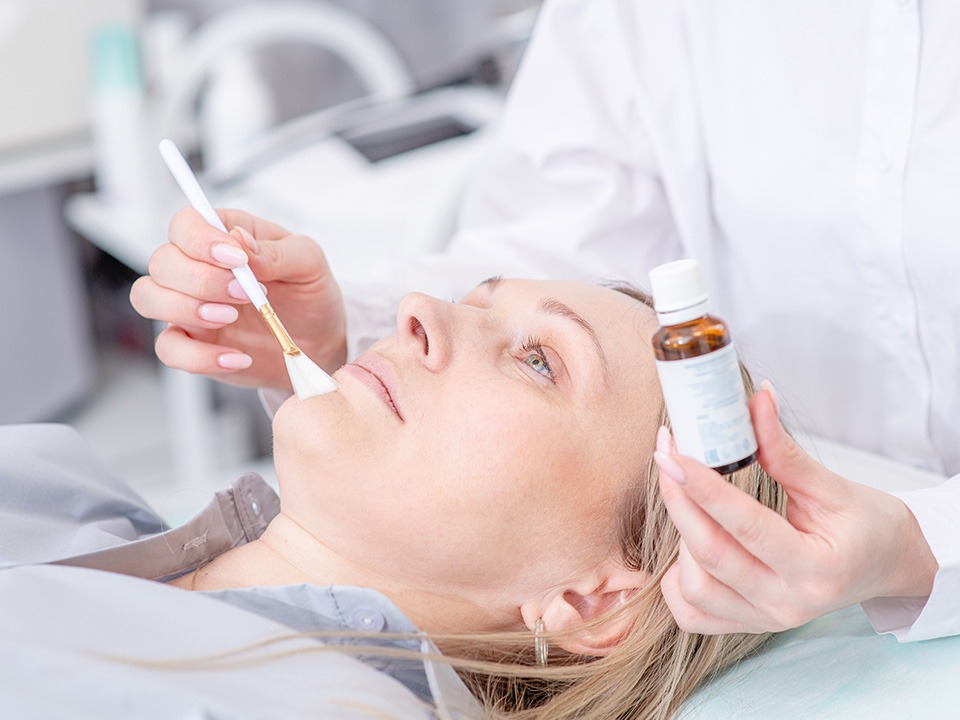
Professional chemical peels at Clarus Dermatology are quick, in-office treatments that typically take 15 to 30 minutes. During the peel, you may feel a mild tingling or warming sensation as the solution is applied. This is normal and subsides shortly after the peel is neutralized or removed.
After the treatment, you can expect some degree of peeling and flaking over the following three to seven days as the treated skin exfoliates. It is important to avoid picking at peeling skin, to apply moisturizer regularly, and to use broad-spectrum sunscreen daily during the healing process.
For optimal results, most patients benefit from a series of three to six peels spaced two to four weeks apart. Your dermatologist will recommend a treatment plan tailored to your skin type and goals.
Minnesota Skin and Seasonal Considerations
Minnesota’s climate creates unique considerations for chemical peel timing. Many dermatologists recommend scheduling peel series during the fall and winter months when UV exposure is lower and the risk of post-inflammatory hyperpigmentation is reduced. However, with proper sun protection, peels can be safely performed year-round.
The dry winter air common in Minnesota can also affect your post-peel care routine. Your dermatologist may recommend specific moisturizers and gentle cleansers to keep your skin comfortable and hydrated during the healing process.
Schedule Your Chemical Peel Consultation
Whether you are looking to brighten sun-damaged skin, manage acne, or simply refresh your complexion, a professional chemical peel may be the right step. The aesthetic dermatology team at Clarus Dermatology can help you determine which peel type is best for your skin.
Contact us at (612) 213-2370 or visit one of our convenient clinic locations to schedule your consultation.
Disclaimer: Individual results may vary. Chemical peels carry potential risks including redness, irritation, peeling, and changes in skin pigmentation. A professional evaluation is recommended before beginning any chemical peel treatment.