
IPL for Sun Damage: What Minnesota Patients Should Know
Living in Minnesota means embracing the outdoors—from weekend trips to Lake Minnetonka and afternoons at Bde Maka Ska to summer festivals across the Twin Cities. But years of sun exposure, even in a northern climate, take a cumulative toll on your skin. Sunspots, uneven pigmentation, redness, and visible blood vessels are all common signs of photodamage that many Minnesotans notice as they enter their 30s, 40s, and beyond.
Intense Pulsed Light (IPL) therapy, also known as photofacial treatment, is one of the most effective and well-studied options for addressing sun damage. At Clarus Dermatology’s cosmetic dermatology practice, we use IPL to help patients restore a more even, youthful complexion without surgery or significant downtime.
What Is IPL Therapy?
IPL stands for Intense Pulsed Light. Unlike lasers, which use a single wavelength of light, IPL devices emit broad-spectrum light that can target multiple skin concerns simultaneously. The light energy is absorbed by pigmented cells (melanin) and blood vessels (hemoglobin) in the skin, which breaks down discoloration and stimulates the body’s natural healing response.
This makes IPL particularly versatile for treating the wide range of changes caused by chronic sun exposure, including:
- Sunspots and age spots — flat brown or tan patches caused by UV-induced melanin deposits
- Freckles — clusters of pigmented spots that darken with sun exposure
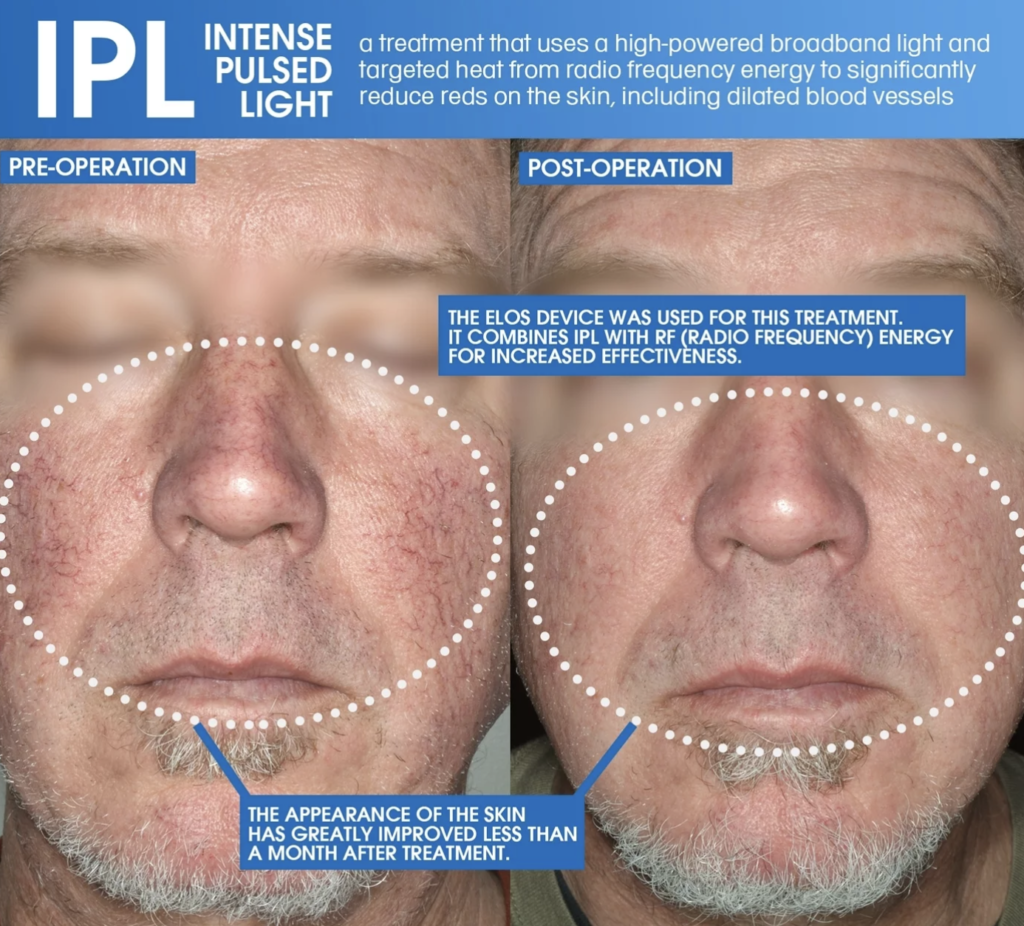
- Redness and rosacea — diffuse facial redness and visible blood vessels
- Broken capillaries — small dilated blood vessels visible on the skin surface
- Uneven skin tone — general blotchiness and textural irregularity
Why Sun Damage Is Common in Minnesota
Many patients are surprised to learn just how much sun damage they have accumulated living in Minnesota. While our winters are long and cold, our summers bring extended daylight hours with intense UV exposure. Outdoor activities like boating, golfing, hiking, and gardening mean hours of cumulative sun exposure throughout the warmer months.
UV radiation also reflects off water and snow, increasing exposure even when you are not directly in the sun. Many Minnesotans also experienced significant childhood sun exposure before the widespread use of sunscreen became standard practice. This accumulated photodamage typically becomes visible later in life as the skin loses its ability to repair and regenerate as efficiently.
What to Expect During IPL Treatment
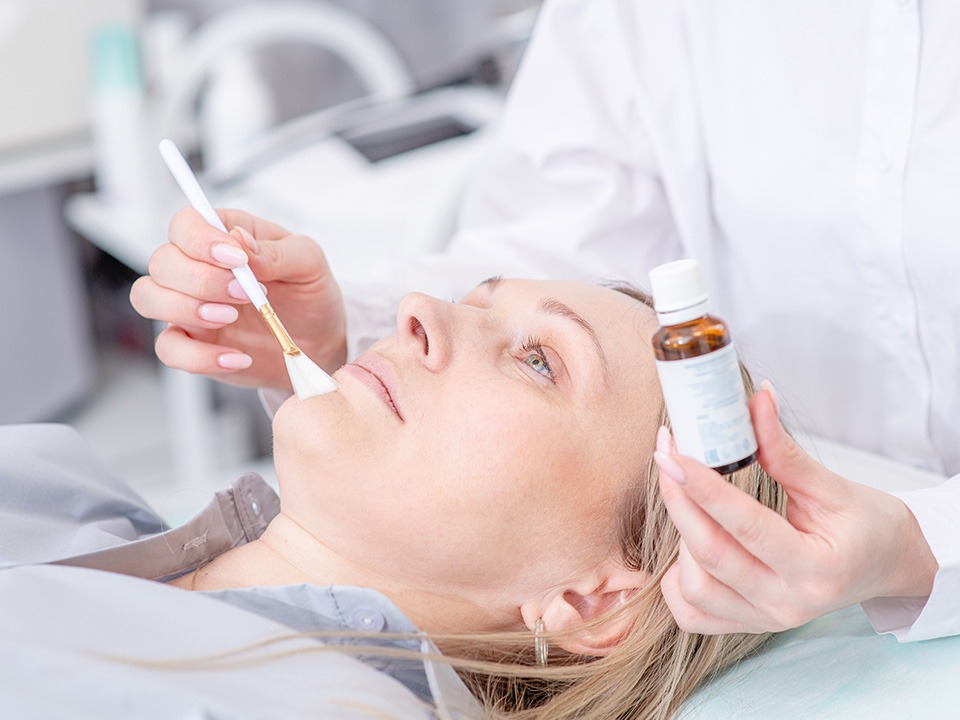
IPL treatments at Clarus Dermatology are performed in our clinic and typically take 20 to 30 minutes, depending on the size of the treatment area. Here is what the process looks like:
- Consultation: Your dermatologist evaluates your skin, discusses your concerns, and determines whether IPL is the right treatment for you.
- Preparation: The treatment area is cleansed, and a cooling gel is applied. You will wear protective eye shields throughout the procedure.
- Treatment: The IPL device is applied to the skin in a series of light pulses. Most patients describe the sensation as similar to a rubber band snapping against the skin—brief and tolerable.
- Aftercare: You may experience mild redness and warmth similar to a mild sunburn. Treated pigmented spots often darken initially before flaking off over the following one to two weeks.
IPL Results and Treatment Timeline
Most patients notice visible improvement after their first IPL session, with optimal results achieved after a series of three to five treatments spaced approximately four weeks apart. Sunspots and pigmented lesions typically darken and then flake off within seven to fourteen days. Redness and vascular concerns improve progressively over the course of the treatment series.
Results can be long-lasting, especially when combined with a consistent sun protection routine. Many patients schedule annual maintenance treatments to address any new sun damage and maintain their results over time.
Is IPL Right for You?
IPL is generally well-suited for patients with fair to medium skin tones who have visible signs of sun damage or redness. It is not recommended for very dark skin tones, actively tanned skin, or patients who are pregnant. Certain medications that increase photosensitivity may also affect candidacy.
During your consultation, your dermatologist will evaluate your skin type, medical history, and goals to determine whether IPL is the best approach or whether an alternative treatment may be more appropriate.
Protecting Your Results
After IPL treatment, daily sun protection is essential. This means applying a broad-spectrum SPF 30 or higher sunscreen every morning, wearing protective clothing and hats when outdoors, and seeking shade during peak UV hours. These habits not only protect your IPL results but also help prevent future photodamage.
Schedule Your IPL Consultation
If sun damage is affecting your skin’s appearance and confidence, IPL therapy may be the solution you have been looking for. Clarus Dermatology offers IPL treatments at our Minneapolis and Maple Grove locations, making it easy for patients across the metro to access expert care.
Call (612) 213-2370 to schedule your consultation today.
Disclaimer: Individual results may vary. IPL therapy involves potential risks including temporary redness, swelling, and pigment changes. A consultation with a board-certified dermatologist is required to determine treatment candidacy.