
Skin Cancer in Minnesota: Understanding the Local Landscape
When people think of skin cancer risk, they often picture sun-drenched states like Florida, Arizona, or California. Minnesota, with its long winters and months of overcast skies, rarely comes to mind. Yet the data tells a different story. Skin cancer rates in Minnesota are substantial, and understanding the local risk factors is an important step toward prevention and early detection.
At Clarus Dermatology, we see patients across the Twin Cities metro and greater Minnesota who are surprised to learn about their skin cancer risk. Here is what the data shows and why Minnesota residents should take skin health seriously year-round.
Skin Cancer by the Numbers
According to data from the American Cancer Society and the Minnesota Department of Health, melanoma incidence rates in Minnesota consistently rank above the national average. The state sees approximately 1,700 to 2,000 new melanoma diagnoses annually, along with tens of thousands of non-melanoma skin cancers including basal cell carcinoma and squamous cell carcinoma.
Minnesota’s melanoma incidence rate is roughly 25 to 30 cases per 100,000 people per year, compared to the national average of approximately 22 per 100,000. This places Minnesota among the top 15 states for melanoma incidence — a ranking that surprises many residents.
Why Are Rates Higher Than Expected?
Several factors contribute to Minnesota’s elevated skin cancer rates:
- Demographics: Minnesota has one of the highest percentages of residents with Northern European ancestry in the United States. Fair skin, light eyes, and light hair — common traits in populations with Scandinavian, German, and Irish heritage — are established risk factors for all types of skin cancer.
- Outdoor lifestyle: Minnesotans are famously active outdoors. From lake culture in summer to skiing, snowmobiling, and ice fishing in winter, cumulative UV exposure adds up across all seasons.
- Historical tanning bed use: Minnesota had among the highest rates of indoor tanning bed use in the country during the 1990s and 2000s. Although awareness campaigns and legislation have reduced usage among young people, the damage from those years continues to present as skin cancers decades later.
- UV reflectance from snow and water: Fresh snow can reflect up to 80% of UV radiation, effectively doubling exposure during winter outdoor activities. Lake surfaces similarly amplify UV exposure during summer.
The Cold Climate Misconception
One of the most persistent misconceptions is that cold weather equals low skin cancer risk. While UV index values are lower during Minnesota winters compared to southern states, UV radiation is still present — and reflected UV from snow-covered landscapes can be significant.
More importantly, skin cancer is a disease of cumulative exposure. Damage from UV radiation builds up over a lifetime. A person who spent decades enjoying Minnesota summers at the lake, playing outdoor sports, or working outside has accumulated meaningful UV exposure regardless of winter conditions.
Additionally, the ozone layer is thinner at higher latitudes during certain times of year, which can increase the proportion of UVB rays reaching the ground — the wavelength most responsible for sunburn and DNA damage in skin cells.
Who Is Most at Risk in Minnesota?
While anyone can develop skin cancer, certain groups in Minnesota face higher risk:
- Adults over 50 with a history of significant sun exposure during their youth
- Individuals with a history of blistering sunburns, particularly during childhood or teen years
- Former tanning bed users, even if they stopped years ago
- Outdoor workers including farmers, construction workers, and landscapers
- Patients with a personal or family history of melanoma or other skin cancers
- Immunosuppressed individuals, including organ transplant recipients
Prevention Strategies for Minnesotans
Reducing your skin cancer risk involves consistent sun protection habits throughout the year:
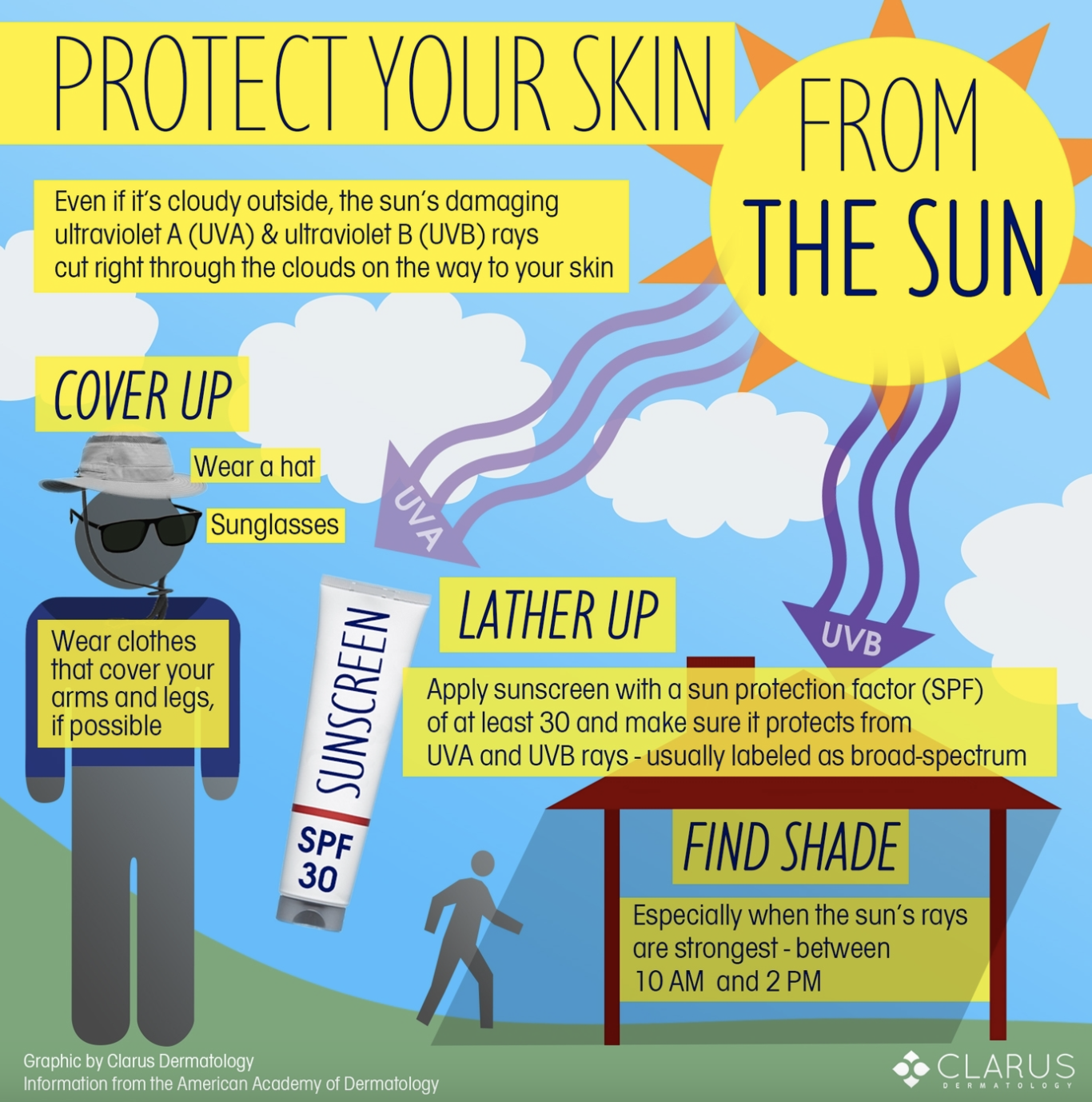
- Apply broad-spectrum SPF 30 or higher sunscreen daily, even on cloudy days and during winter outdoor activities
- Wear protective clothing, wide-brimmed hats, and UV-blocking sunglasses
- Seek shade during peak UV hours (10 a.m. to 4 p.m.) in summer
- Avoid indoor tanning beds entirely
- Perform monthly skin self-examinations using the ABCDE method
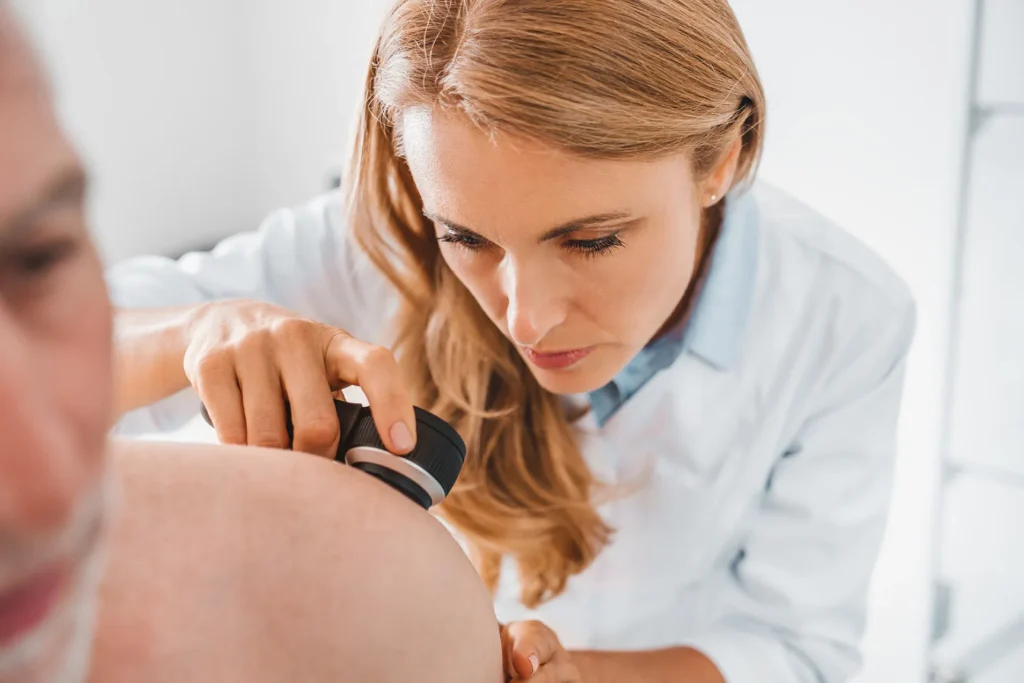
- Schedule annual full-body skin exams with a board-certified dermatologist
Early Detection at Clarus Dermatology
Early detection remains the most effective tool against skin cancer. When caught early, the five-year survival rate for melanoma is greater than 99%. Even non-melanoma skin cancers, while less likely to be life-threatening, can cause significant tissue damage and require more extensive treatment when detected late.
Dr. Neil A. Shah and the dermatology team at Clarus Dermatology provide thorough skin cancer screening and surgical dermatology services at offices throughout Minnesota, including New Brighton, Maple Grove, Minnetonka, Hugo, Otsego, and Spicer.
Do not let the cold climate create a false sense of security. Call (612) 213-2370 or use the scheduler to book your skin cancer screening today.
This content is for informational purposes only and does not constitute medical advice. Statistics cited are approximate and based on publicly available data from the American Cancer Society and Minnesota Department of Health. Please consult a board-certified dermatologist for personalized skin cancer risk assessment.