

Recognizing When a Skin Infection Needs Professional Attention
Skin infections are among the most common reasons patients visit a dermatologist, yet many people delay seeking care because they are unsure whether their symptoms warrant a professional evaluation. Knowing the difference between a minor irritation that will resolve on its own and a skin infection that requires medical attention can prevent complications, speed recovery, and protect your overall health.
At Clarus Dermatology, our board-certified dermatologists diagnose and treat a wide range of skin infections at offices across Minnesota. This guide will help you recognize the warning signs that indicate it is time to schedule an appointment.
Types of Skin Infections
Skin infections are caused by different types of organisms, and identifying the category helps guide treatment:
Bacterial Skin Infections
Bacterial infections are the most common type seen in dermatology practice. They include:
- Cellulitis: A spreading infection of the deeper skin layers, causing redness, warmth, swelling, and tenderness. Cellulitis requires prompt medical treatment and sometimes hospitalization.
- Impetigo: A highly contagious superficial infection common in children, characterized by honey-colored crusting on the face and extremities.
- Folliculitis: Infection of the hair follicles causing small red bumps or pustules, often on the scalp, chest, back, or thighs.
- Abscesses and boils: Deeper infections that form painful, pus-filled lumps beneath the skin.
- MRSA (Methicillin-resistant Staphylococcus aureus): A resistant bacterial strain that requires specific antibiotic treatment and careful management.
Viral Skin Infections
Common viral skin infections include:
- Herpes simplex: Cold sores (HSV-1) or genital lesions (HSV-2) that cause clusters of painful blisters
- Shingles (herpes zoster): Reactivation of the varicella-zoster virus causing a painful, blistering rash along a nerve pathway
- Warts: Caused by human papillomavirus (HPV), appearing as rough bumps on the hands, feet, or other areas
- Molluscum contagiosum: Small, flesh-colored bumps caused by a poxvirus, common in children and immunocompromised individuals
Fungal Skin Infections
Fungal infections affect the skin, nails, and hair and include:
- Ringworm (tinea): Circular, red, scaly patches on the body, scalp, or groin
- Athlete’s foot (tinea pedis): Itching, scaling, and cracking between the toes
- Nail fungus (onychomycosis): Thickened, discolored, brittle nails
- Yeast infections (candidiasis): Red, moist rashes in skin folds such as the underarms, groin, or beneath the breasts
Warning Signs That Require a Dermatologist Visit
While mild skin irritations may resolve with basic home care, certain symptoms indicate that professional evaluation is necessary:
Spreading Redness or Warmth
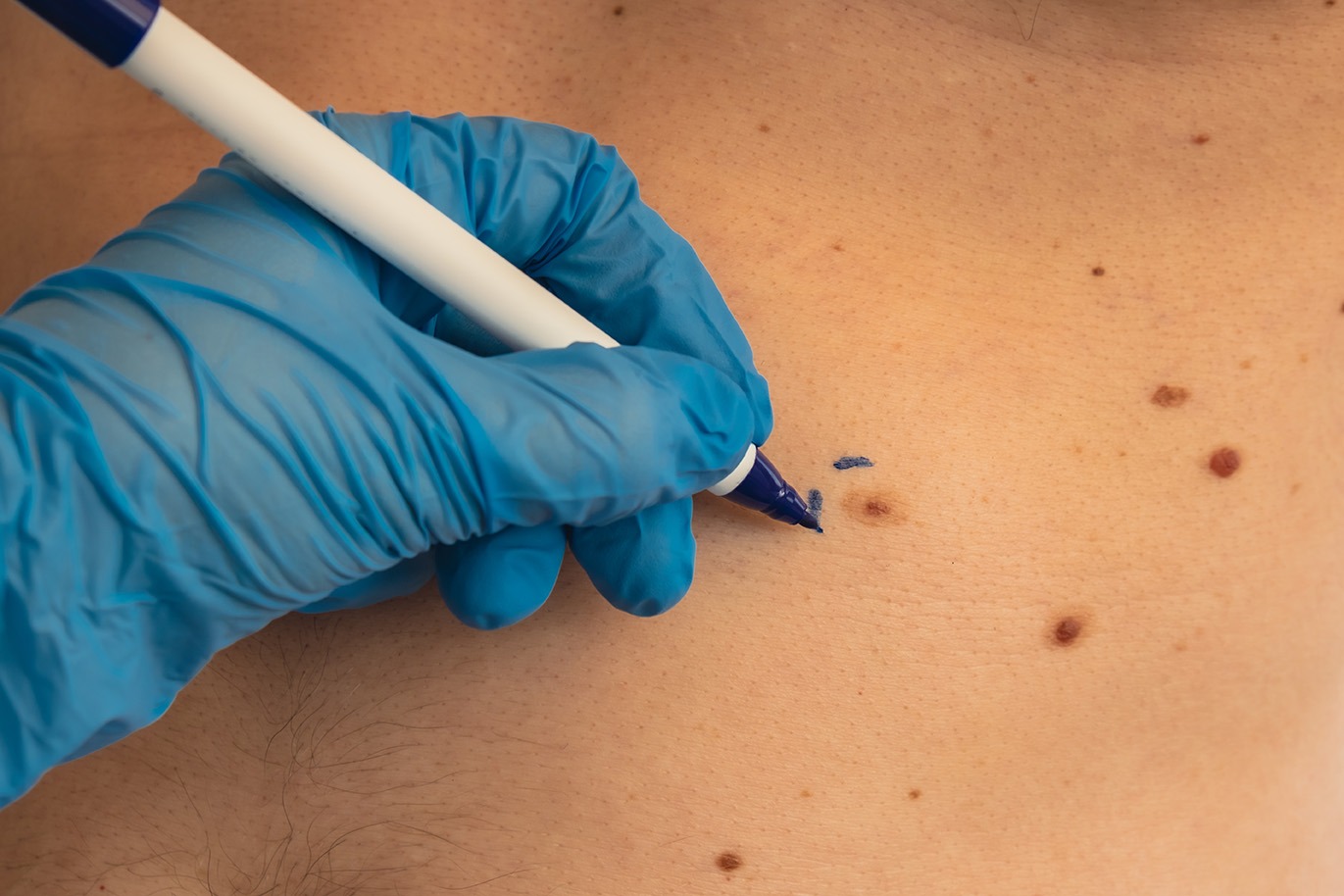
If an area of redness is expanding, feels warm to the touch, or the borders are advancing visibly over hours or days, this may indicate cellulitis or another spreading bacterial infection. Drawing a line around the redness with a pen and monitoring whether it extends beyond that border is a practical way to track progression.
Increasing Pain or Tenderness
Skin infections that are becoming more painful rather than improving deserve evaluation. Increasing pain may indicate deeper tissue involvement, abscess formation, or the need for drainage or systemic antibiotics.
Pus, Drainage, or Crusting
While small amounts of clear drainage can be normal during wound healing, yellow or green pus, foul-smelling discharge, or honey-colored crusting are signs of active infection that should be assessed by a dermatologist.
Fever or Systemic Symptoms
A skin infection accompanied by fever, chills, body aches, swollen lymph nodes, or general malaise requires prompt medical attention. These systemic symptoms suggest the infection may be spreading beyond the skin and could require oral or intravenous antibiotics.
Red Streaks Radiating from a Wound
Red streaks extending outward from an infected area toward the nearest lymph nodes (lymphangitis) are a sign that the infection is spreading through the lymphatic system. This is a medical urgency that requires same-day evaluation.
Failure to Improve with Home Care
If you have been treating a skin issue at home for more than a few days without improvement — or if it is worsening despite over-the-counter treatments — schedule a dermatology appointment. Incorrect self-diagnosis and treatment can delay appropriate care and allow infections to progress.
Recurrent Infections
Skin infections that keep coming back may indicate an underlying issue such as a carrier state for certain bacteria, an immune system concern, or a skin barrier problem that needs to be addressed. Recurrent boils, folliculitis, or fungal infections warrant a thorough dermatological evaluation.
Who Is at Higher Risk?
Certain individuals are more susceptible to skin infections and should seek evaluation sooner rather than later:
- Patients with diabetes, as elevated blood sugar impairs wound healing and immune function
- Individuals taking immunosuppressive medications
- People with chronic skin conditions such as eczema, which disrupts the skin barrier
- Athletes and those who share athletic equipment, towels, or locker room facilities
- Individuals with a history of MRSA or recurrent staph infections
Treatment at Clarus Dermatology
Treatment depends on the type and severity of infection. Options include topical antimicrobial medications, oral antibiotics or antifungals, incision and drainage of abscesses, cryotherapy for warts, and specialized treatments for resistant or recurrent infections. Your dermatologist will culture the infection when appropriate to identify the specific organism and ensure targeted treatment.
Clarus Dermatology offers comprehensive medical dermatology services at multiple locations across Minnesota, including New Brighton, Maple Grove, Minnetonka, and Hugo.
Do not wait for a skin infection to get worse. Call (612) 213-2370 or use the scheduler to book an appointment today.
This content is for informational purposes only and does not constitute medical advice. If you are experiencing symptoms of a severe skin infection — including fever, rapid spreading, or red streaks — seek immediate medical attention at an urgent care or emergency department. For non-emergency skin infections, consult a board-certified dermatologist for proper diagnosis and treatment.