
Identifying the Unexpected Causes of Rosacea Flares
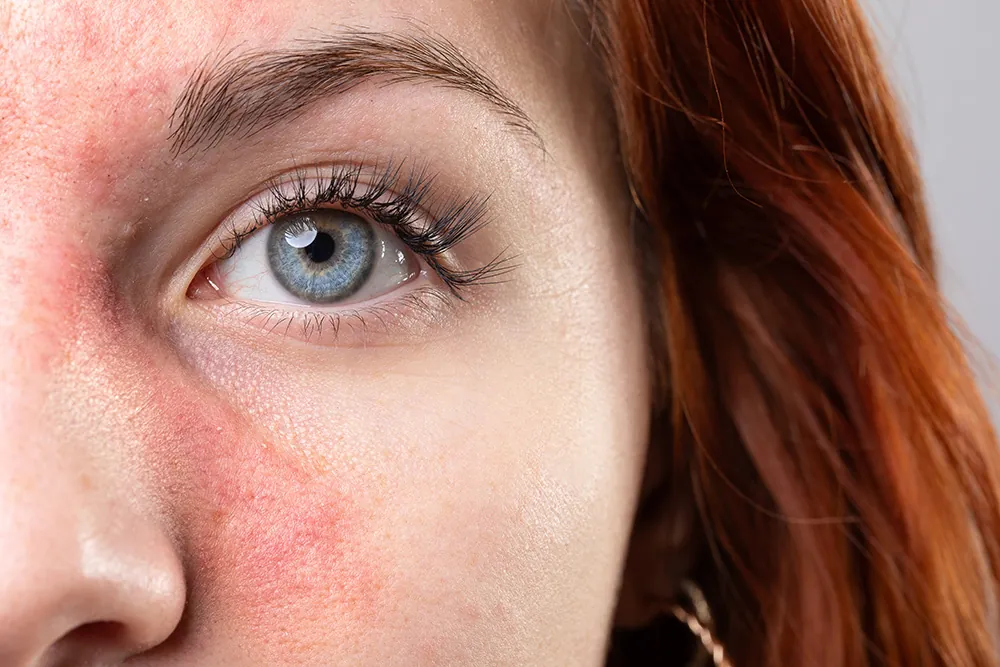
Rosacea is a chronic inflammatory skin condition that affects an estimated 16 million Americans, causing persistent redness, visible blood vessels, bumps, and skin sensitivity — most commonly on the face. While many rosacea patients are aware of common triggers like sun exposure and spicy foods, numerous other factors can provoke flare-ups that may not be immediately obvious.
At Clarus Dermatology, our dermatologists help patients identify their unique trigger profiles to develop effective long-term management strategies. Understanding these lesser-known triggers is an essential step toward better skin control.
Well-Known Triggers: A Quick Review
Before exploring the less obvious causes, it helps to acknowledge the triggers most rosacea patients already know:
- Sun exposure and UV radiation
- Extreme heat and cold
- Spicy foods
- Alcohol, particularly red wine
- Hot beverages
- Emotional stress
These triggers are well-documented in dermatological literature and are typically the first ones discussed during a rosacea evaluation. However, they represent only part of the picture.
Surprising Triggers You May Not Have Considered
Gut Health and the Microbiome
Emerging research has identified connections between gastrointestinal health and rosacea. Studies have found a higher prevalence of small intestinal bacterial overgrowth (SIBO) in rosacea patients compared to controls. Helicobacter pylori infection has also been associated with rosacea in some research, though the relationship is complex and not fully understood.
Patients who experience both rosacea flares and digestive symptoms may benefit from discussing gut health evaluation with their dermatologist and primary care provider.
Skincare Ingredients
Many common skincare ingredients can trigger or worsen rosacea without the patient realizing the connection:
- Alcohol-based toners and astringents strip the skin barrier and increase irritation
- Fragrances and essential oils (including “natural” products) are among the most common causes of contact irritation in rosacea-prone skin
- Menthol, camphor, and peppermint create a cooling sensation but can trigger vasodilation and flushing
- Chemical exfoliants at high concentrations such as glycolic acid and salicylic acid may over-exfoliate compromised skin
- Retinoids at standard strength can cause significant irritation if not introduced gradually and at lower concentrations
Demodex Mites
Demodex folliculorum and Demodex brevis are microscopic mites that naturally inhabit human skin, living in hair follicles and sebaceous glands. Research has consistently found higher Demodex populations on the facial skin of rosacea patients. While Demodex mites are a normal part of the skin microbiome, an overpopulation appears to contribute to the inflammatory response seen in papulopustular (subtype 2) rosacea.
Treatments targeting Demodex — such as topical ivermectin — have shown effectiveness in reducing both mite populations and rosacea symptoms, supporting the link between the two.
Intense Exercise
Vigorous physical activity raises core body temperature and increases blood flow to the skin, triggering flushing in many rosacea patients. This does not mean you should avoid exercise — rather, consider strategies such as exercising in air-conditioned environments, splitting workouts into shorter sessions, staying well-hydrated, and placing a cool damp towel on your neck during exercise.
Weather Changes Beyond Temperature
Minnesota’s dramatic seasonal transitions present unique challenges for rosacea patients. Beyond extreme cold and heat, factors such as strong winds, rapid barometric pressure changes, and low humidity can trigger flares. The transition from heated indoor air to frigid outdoor conditions — repeated multiple times daily during a Minnesota winter — creates thermal stress that is particularly problematic.
Certain Medications
Several medications can trigger or exacerbate rosacea flushing, including:
- Vasodilators used for blood pressure management
- Some cholesterol-lowering medications (niacin)
- Topical steroids (which can cause steroid rosacea with prolonged facial use)
- Certain migraine medications
If you suspect a medication is contributing to your rosacea, discuss alternatives with your prescribing physician rather than discontinuing treatment on your own.
Emotional Triggers Beyond Stress
While stress is a recognized rosacea trigger, other emotional states can also provoke flushing. Embarrassment, anxiety, excitement, and even laughter can cause the sudden dilation of facial blood vessels. Patients who experience emotionally triggered flushing may benefit from stress management techniques, mindfulness practices, or in some cases, medications that reduce the flushing response such as topical or oral beta-blockers.
High-Histamine Foods
Beyond spicy foods and alcohol, some rosacea patients report flares triggered by high-histamine foods including aged cheeses, fermented foods, cured meats, smoked fish, vinegar, and certain fruits such as citrus and tomatoes. The histamine connection varies significantly between individuals and may be worth tracking in a food diary.
Building a Trigger Management Plan
Because rosacea triggers are highly individual, keeping a detailed diary can be invaluable. Track your daily activities, foods, skincare products, stress levels, weather exposure, and flare timing. Over several weeks, patterns often emerge that help identify your personal triggers.
Share this diary with your dermatologist during your appointments. Together, you can develop a personalized avoidance and treatment strategy that addresses your specific trigger profile.
Treatment Options at Clarus Dermatology
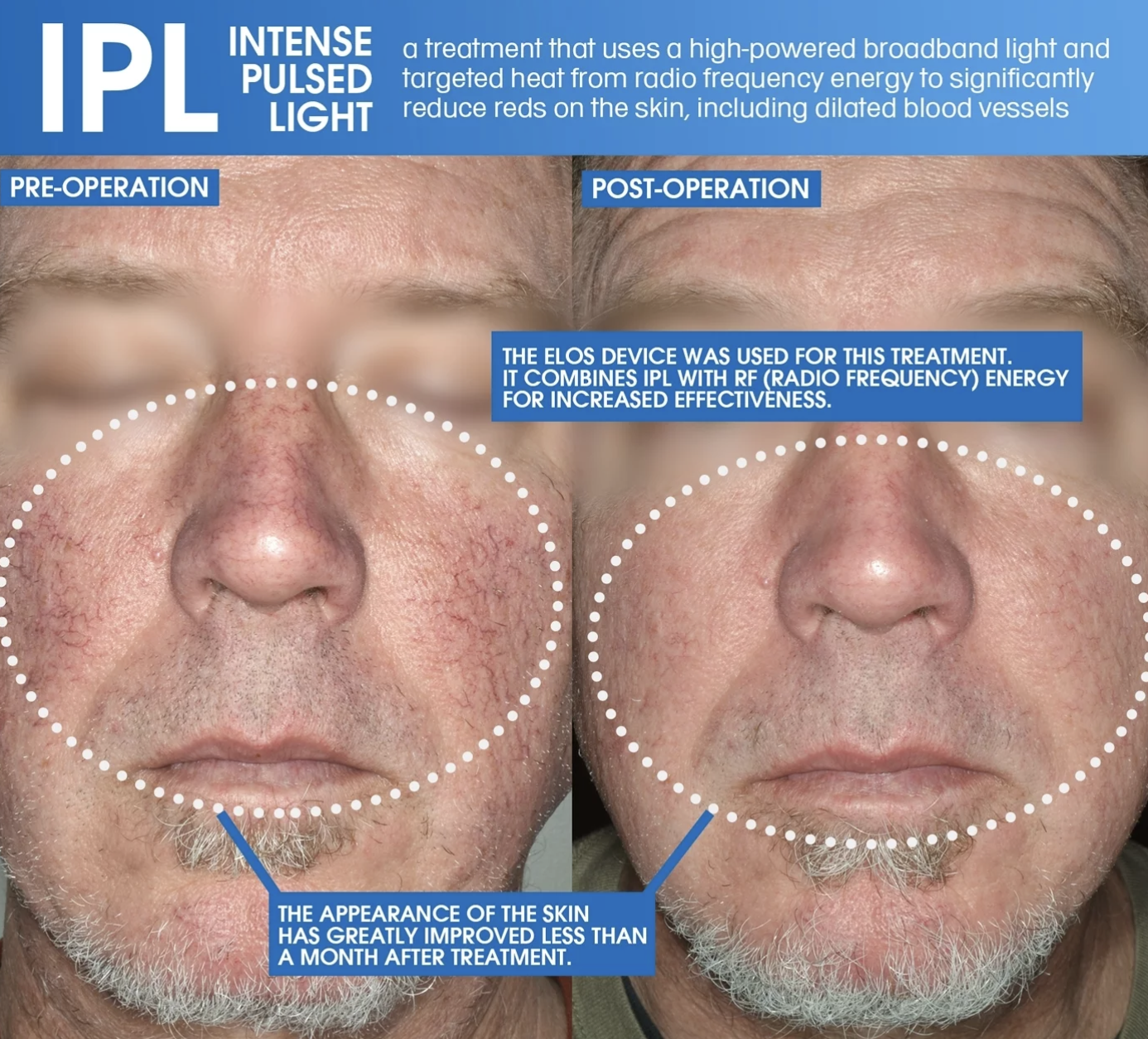
Effective rosacea management combines trigger avoidance with medical treatment. Depending on your rosacea type and severity, your dermatologist may recommend topical medications (such as metronidazole, azelaic acid, or ivermectin), oral antibiotics, laser or light therapies for persistent redness and visible blood vessels, or gentle skincare regimens designed for rosacea-prone skin.
Clarus Dermatology provides expert medical dermatology care for rosacea patients, including rosacea treatment in Minneapolis. Our dermatologists understand the unique challenges Minnesota’s climate presents for rosacea management and develop treatment plans that account for seasonal variations.
Call (612) 213-2370 or use the scheduler to book your rosacea evaluation today.
This content is for informational purposes only and does not constitute medical advice. Rosacea triggers and treatment responses vary by individual. Please consult a board-certified dermatologist for personalized evaluation and management.